
Back-to-School: Building Habits That Last a Lifetime
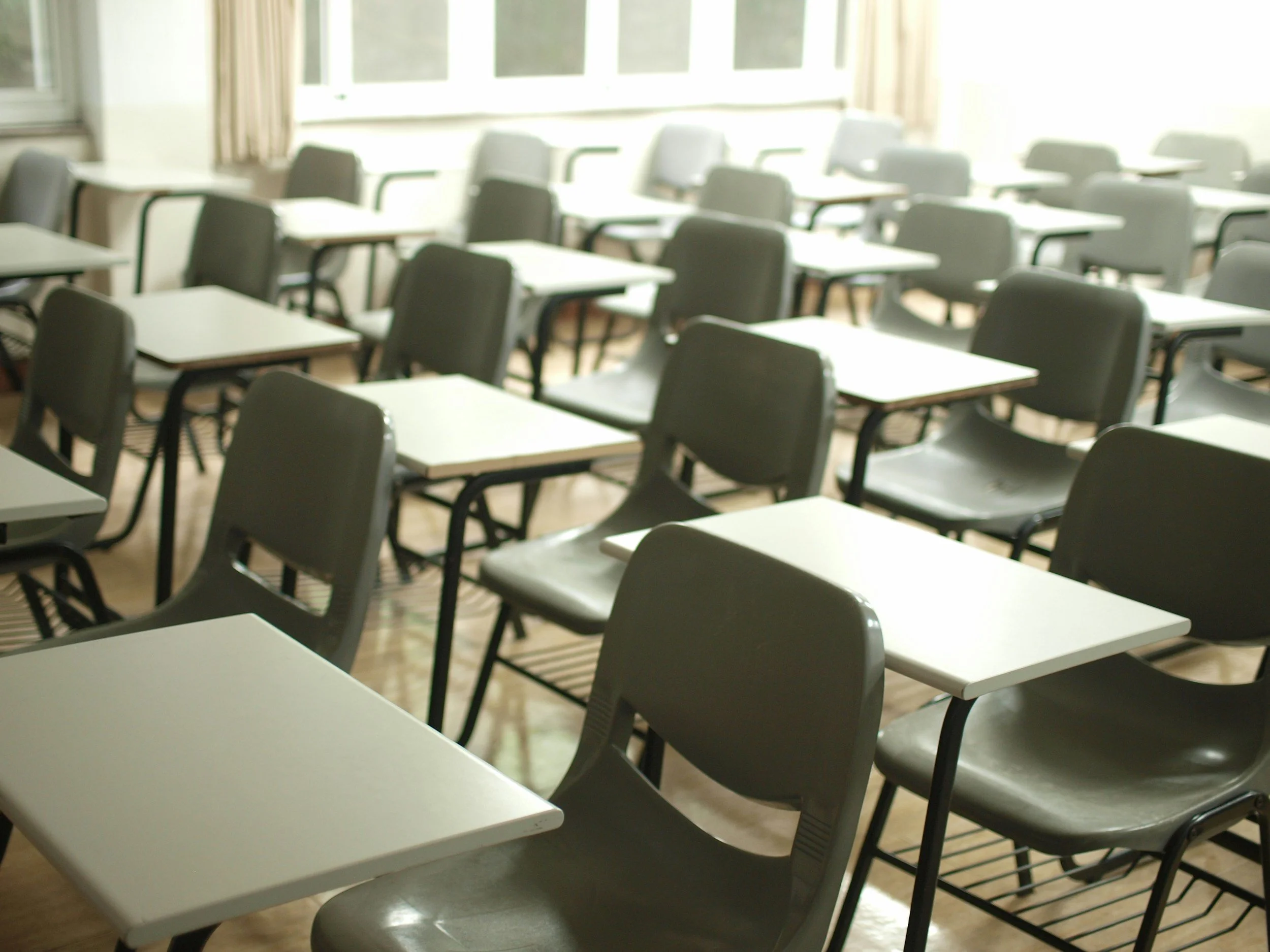
Back-to-school season brings a lot of advice about organization: how to organize backpacks, create homework stations, manage papers, and get everyone out the door with what they need.
Yes, those things matter! Having good systems in place can help avoid frantic mornings, “I can’t find it” meltdowns, and make life for your kids – and you – easier.
But instead of the end game being a perfectly organized school year, think about the routines, habits, and skills your kids will develop long after they’ve outgrown their lunchboxes.
Creating routines, remembering what they need, being on time, and taking responsibility are skills that will serve them the rest of their lives.
So as you prepare for another school year, think beyond the supplies and schedules. Create systems that make life easier and give your kids opportunities to practice being capable, responsible humans.
Life Skills 101: Back-to-School Organization is About More Than
Just Stuff
Setting up good organizational systems goes way beyond bins and labels. They can teach and develop:
Creating routines and building good habits
Independence + self-sufficiency
Flexibility
Decision-Making
Problem-Solving
Punctuality
Good systems that support your daily life help build the executive function skills we all need — like remembering things, adaptability, planning, being self-starters, checking your own work, and impulse and emotional control.
These systems can also be especially helpful for kids and adults with ADHD by providing structure, consistency, and less cluttered spaces.
The Back-to-School Systems That Make Life Easier
Good organizing systems make things easier, but routines are what make those systems work. Instead of the constant reminders to unpack their stuff, put away their shoes, or pack their snacks, create predictable routines that address your needs (especially the areas they — or you — struggle with).
Build Routines, Not Just Rules
Morning routines can help start the day on the right foot. They let your kids know what to expect, give them some autonomy, and give you a few extra minutes for coffee.
Pack lunches or snacks
Make sure all necessary papers are packed
Ask them what's going on and have them think about the upcoming day. It will help them remember if they need their gym shoes or a last-minute review for a quiz
If your kids are like mine, at the end of the day they just want to walk in the door and dump their stuff, then dump themselves in their rooms. To keep chaos in check, set up a quick, easy afternoon routine to get everything in its home, then give them time to wind down.
Shoes, jackets, backpacks, etc. go in designated spots
Put lunchboxes, water bottles, and food containers away in the kitchen
Unpack any papers that need a parent’s attention or are no longer needed and put them in a designated place
Figure out what works for your family — the consistency matters more than the routine itself. And the system will inevitably fail, especially as you’re learning to use it — and that’s okay. As frustrating as a forgotten snack or homework is, they’re learning opportunities for your kids.
Skills They Build: routines, planning, problem solving, adaptability
Everything Needs a Home
Whether you have a proper mud room or a basket by the door, give your kids a place for their stuff to land.
A spot near their entry path for backpacks, sports gear, instruments, and shoes makes a huge difference. Hooks, cubbies, or a bench with baskets work wonders. You’re not tripping over things, and they know where to find it all the next morning.
Make sure each kid has their own spot to eliminate confusion and the inevitable “that’s mine!” arguments.
Skills They Build: routines, responsibility for their own things, putting things where they belong, and punctuality (no last-minute “where are my cleats?” scramble)
Tame the School Paper Chaos
The amount of paper that comes home from school is...a lot.
As they get older, the paper turns into hundreds of emails, apps, and notifications. Suddenly you’re having to use at least 4 apps to manage and keep track of grades, permission slips, spirit week, and sports schedules. Not to mention all the passwords.
Create a system for all of the papers and to-dos. Think of it as Mission Control — but make it simple. You need:
A calendar. A family calendar can be as elaborate as a Skylight calendar, or as simple as a whiteboard or paper calendar. Put schedules and to-dos on it so the whole family can keep up.
A place for incoming papers. You can get a paper tray or vertical file — anything that will corral the papers you need to address in one spot. *Tip: If there’s a deadline involved, do it right away, or add it to the calendar.
Keep a few pens nearby for signatures and notes.
Have a document box to hold onto the papers you want to keep for each child.
The goal here isn’t for Mom to manage it all. Involve kids at age-appropriate levels. Help littles put papers where they belong, and as kids get older, teach them to let you know about important items and to check the calendar.
Skills They Build: routines, planning, and remembering things
Before You Buy More School Supplies
Is last year’s backpack still in great shape? Do they really need another water bottle?
Before you run out and buy everything in the school supply aisle, take a moment to see what you already have.
When it comes to supplies, resist the “stock up” mentality. Yes, those brightly colored bins of $1 notebooks are tempting, but unless you have the space to store them neatly, skip having your own full-on school supply store. Stick to what’s required by the school and what you know your kids will actually use. If you run out mid-year, Amazon and Target are just a few clicks (or minutes) away.
Buy less, stress less.
Skills They Build: planning, impulse control
Start Your School Mornings Without Hearing, “I don’t have anything to wear!”
Nothing slows down a morning faster than a child staring into an overflowing closet claiming they have nothing to wear. A simple closet reset before school starts saves time, reduces decision fatigue, and makes mornings calmer for everyone. When your kids can see what they have, have what they love, and know it fits, getting dressed is one less battle.
If the daily outfit choice is a struggle and a hurdle to getting out the door, have them pick out outfits the night before, or even a week at a time.
Skills They Build: decision making, planning
Sound the Alarm
One of the habits we started early that really paid off was having our kids get up earlier than necessary. They didn’t feel rushed, and we rarely had the mad, screaming dash to get out the door and tardy slips. As they get older, they may be more prone to sleeping in, but are still able to get up and get ready on time.
Pro Tip: Get them used to an alarm clock. My kids aren’t allowed to have their phones in their rooms at night, so they have a clock they’re responsible for setting. I’m the backup if they forget or hit snooze.
Skills They Build: planning, independence, punctuality
Don’t Forget to Make It Fun
Back to school isn't all logistics and checklists. It's also a fresh start and a milestone for every family. Find a way to make it special:
Plan a first-day breakfast with their favorite food
Snap those classic first-day photos (yes, even if they groan about it)
Slip a silly or encouraging note into their lunchbox
These little traditions create moments they’ll remember long after they've forgotten what brand of pencils you bought.
And that's really the goal. The best back-to-school organization isn't about creating a perfectly organized home or perfectly organized kids. It's about creating simple systems that make everyday life easier while giving kids the chance to practice the skills they'll need for the rest of their lives.
They'll forget their permission slip. They'll lose a water bottle. They'll probably leave their shoes in the middle of the floor at least once. That's okay. Every forgotten lunch, missing cleat, and last-minute scramble is another opportunity to learn, adjust, and get them ready for adulting.
Ready to make organization a little easier? If your back-to-school routine needs a little more structure, I’d love to help!
Have kids going off to college? Me too, and I’m sharing my first-time-college-mom advice here.