
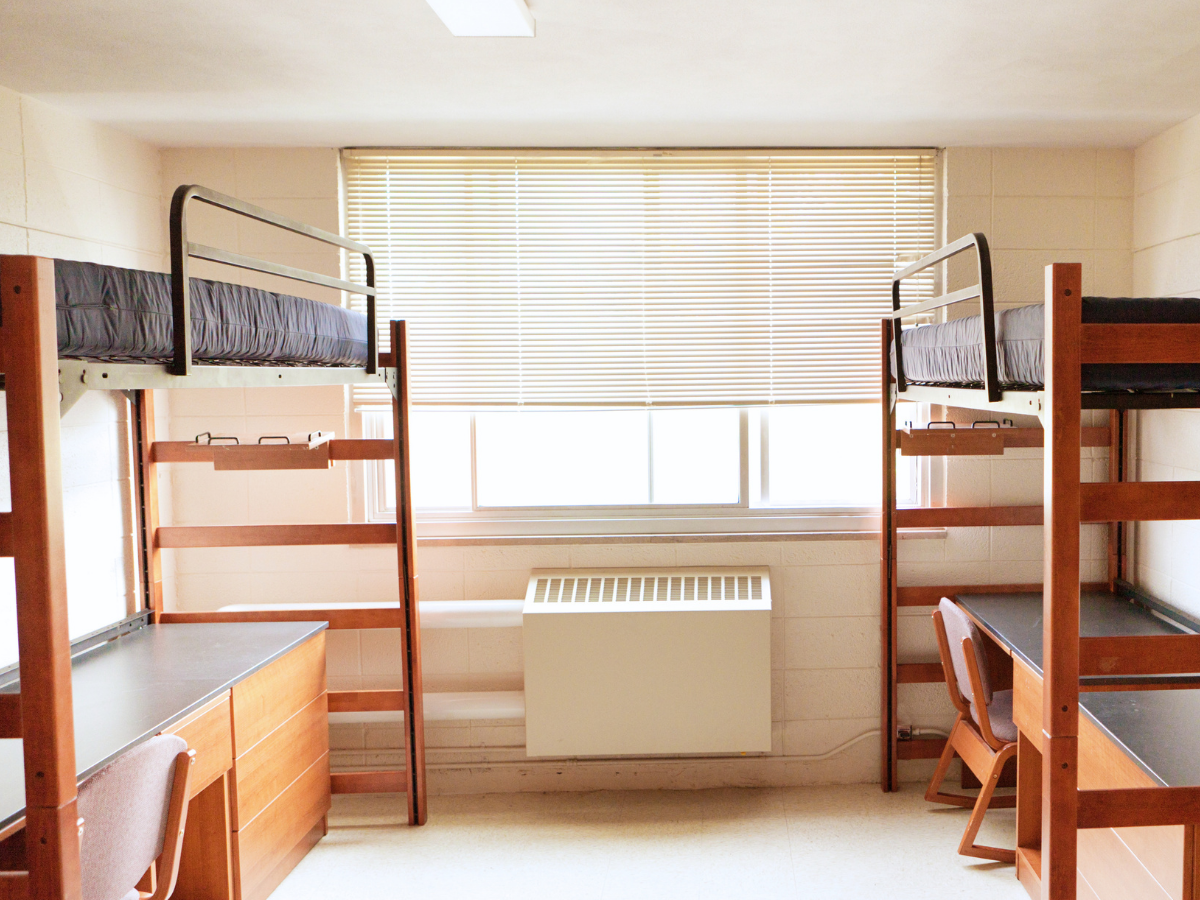
Are you getting ready to send your first child off to college?
Preparing for college can feel overwhelming. Between orientation emails, dorm shopping lists, tuition bills, and the emotions of sending your first child off into the world, it's easy to feel like you're forgetting something important.
It makes sense to read as many “what to do” and “what you’ll need” articles as you can and listen to all the advice. My oldest is getting ready to go off for his first year of college, and I sure have been. Then I realized…too much advice can clutter your brain.
Not to mention all the “must-have” dorm items. Instagram and TikTok give us list after list of dorm shopping necessities. (The lists are long enough for boys - I can’t imagine what they’re like for girls.) The reality is, they don’t need ALL the stuff.
Maybe it doesn’t make sense to take advice from a mom who’s just going through this as a first-timer herself, but as a professional organizer, I've spent years helping people maximize small spaces. Here are some of my small-space organizing tips that you can use to organize your student’s dorm room, without needing your own Amazon delivery van and moving truck.
Why Buying Less Is More
I know the inclination is to make sure they have everything they may ever need. But with limited space, the chaos of move-in day, and the many, many expenses, I’m taking a more “wait-and-see” approach. Instead of buying all the things on all of the lists, I’ve been:
Buying the Essentials First
We’ve been slowly accumulating necessities over the summer - bedding, toiletries, cleaning supplies, a few school supplies, a first-aid kit.
Wait Before Buying Extras
For other items, we’re waiting until:
He’s gotten his dorm assignment, and we know what size room he’ll have.
Closer to move-in date, in case they don’t work or need to be returned - an ottoman, storage drawers and bins, etc.
With Amazon deliveries and a Walmart within walking distance of campus (and free bus transportation), I know he’ll have what he needs or can easily get it if he doesn’t.
Not only does buying less give them some extra breathing room, but it also teaches them to survive with less and save money, and builds their problem-solving skills.
Maximize Every Inch of Space
There’s more space than you think.
One of my favorite tips for adding storage in any space - go vertical. Get the bed risers and use the space underneath. Same with the desks - if they need more storage and/or display space, add a riser with shelves or a computer riser with storage. Tall bedside drawer units, over-the-door organizers, and hooks on bare walls are all great ways to use vertical space.
Keep It Together
No, I don’t mean you shouldn’t have a good cry after you say goodbye. I know I will. 😢
What I mean: store like items together. It happens in homes of all sizes - things are stored (shoved) where there’s space, and there are cleaning supplies in five places, and every drawer looks like a junk drawer. Keep medications together, snacks together, cleaning supplies together, and school supplies together. Your student will know what they have and when it’s time to restock.
Also:
A.Use the rule of prime real estate: put the things they’ll reach for or need the most in the easiest spots to reach.
B. Label!
Their storage. Make it one less thing they have to think about, whether they’re looking for something or putting it away.
Their charging cords, headphones, and any other items that other students are likely to have the same.
(No, you don’t need to buy a label maker. Use colorful painter’s tape or decorative washi tape and a Sharpie!)
Shop Their Bedroom Before the Store
They don’t need duplicates of everything they already have at home. One thing I see on every dorm shopping list is hangers. My son is taking the clothes out of his closet - already on hangers. Yes, they should have some extra for all the new college gear they’ll surely accumulate, but they don’t need a whole set of hangers in both places. Think about the things they have at home that can go to school and that they won’t miss when they come home. My son is taking his desk lamp and alarm clock. Things he will need when he comes home - like his pillows and toiletries - will stay, and we’ve purchased new ones for his dorm.
Teach Them to Care for What They Own
I can’t tell you how many times I’ve read in parent groups that they buy bedding, rugs, and even storage intending to throw them away at the end of the year. I get it - college students may not be diligent about washing and caring for things, and yes, they may need to be trashed at the end of the year. Starting with that outlook can be a big waste of money and create a lot of waste.
Encourage your students to wash their bedding on a schedule - and explain why (dust mites, bacteria, etc.) - and have them bring it home when they visit (if they’re able). Teaching them to do these things now will put them one step ahead when they graduate and move out on their own (or be one less thing you’ll have to teach them/do for them if they return to the nest!)
It also teaches them to be more frugal with their money. With the ease of consumerism constantly beckoning for our money, I’m trying to show my kids all the sneaky ways that it gets wasted.
What Made Our List
Based on advice from moms I personally know, the school’s suggested shopping list, and common sense, here’s what we’ve purchased so far:
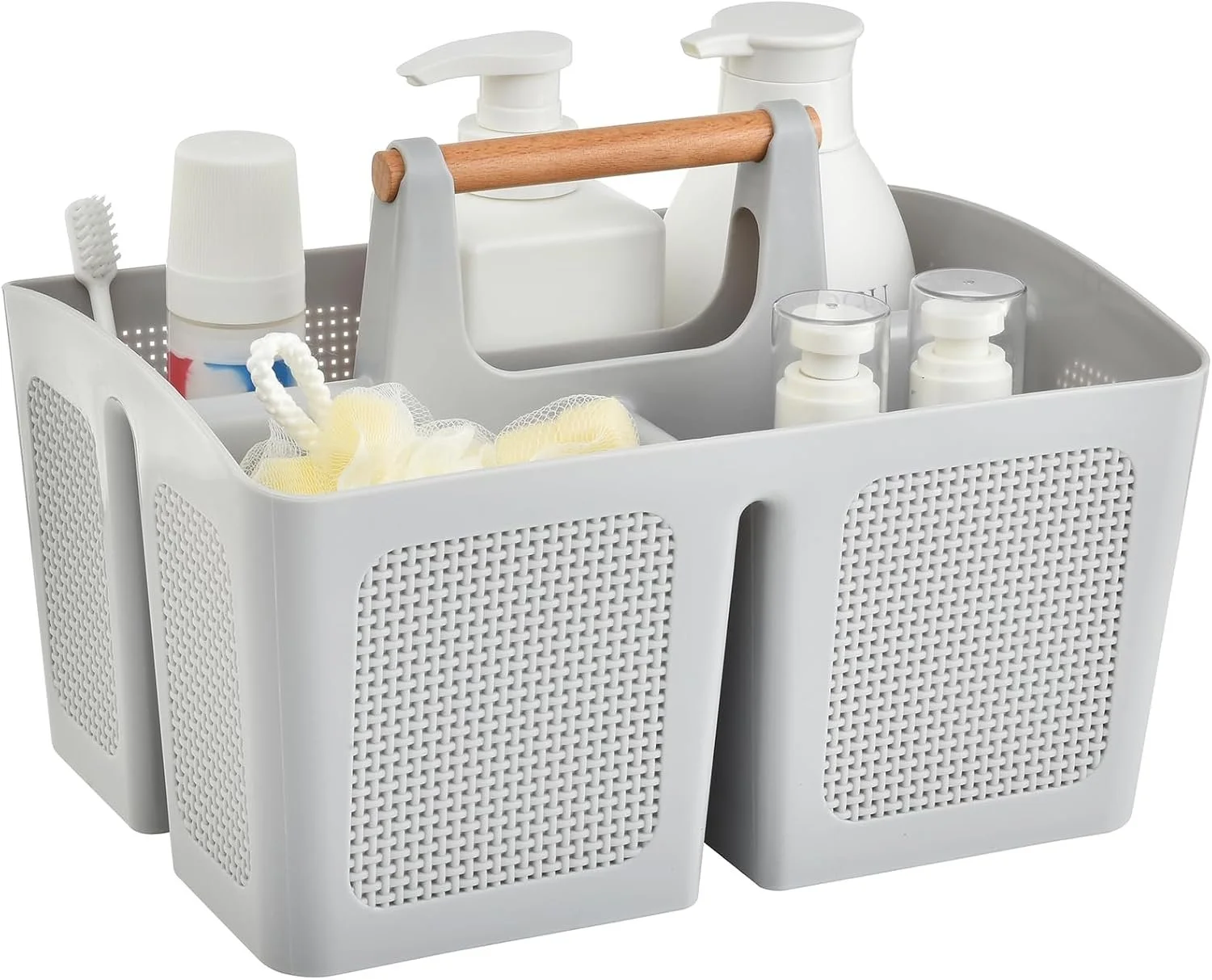

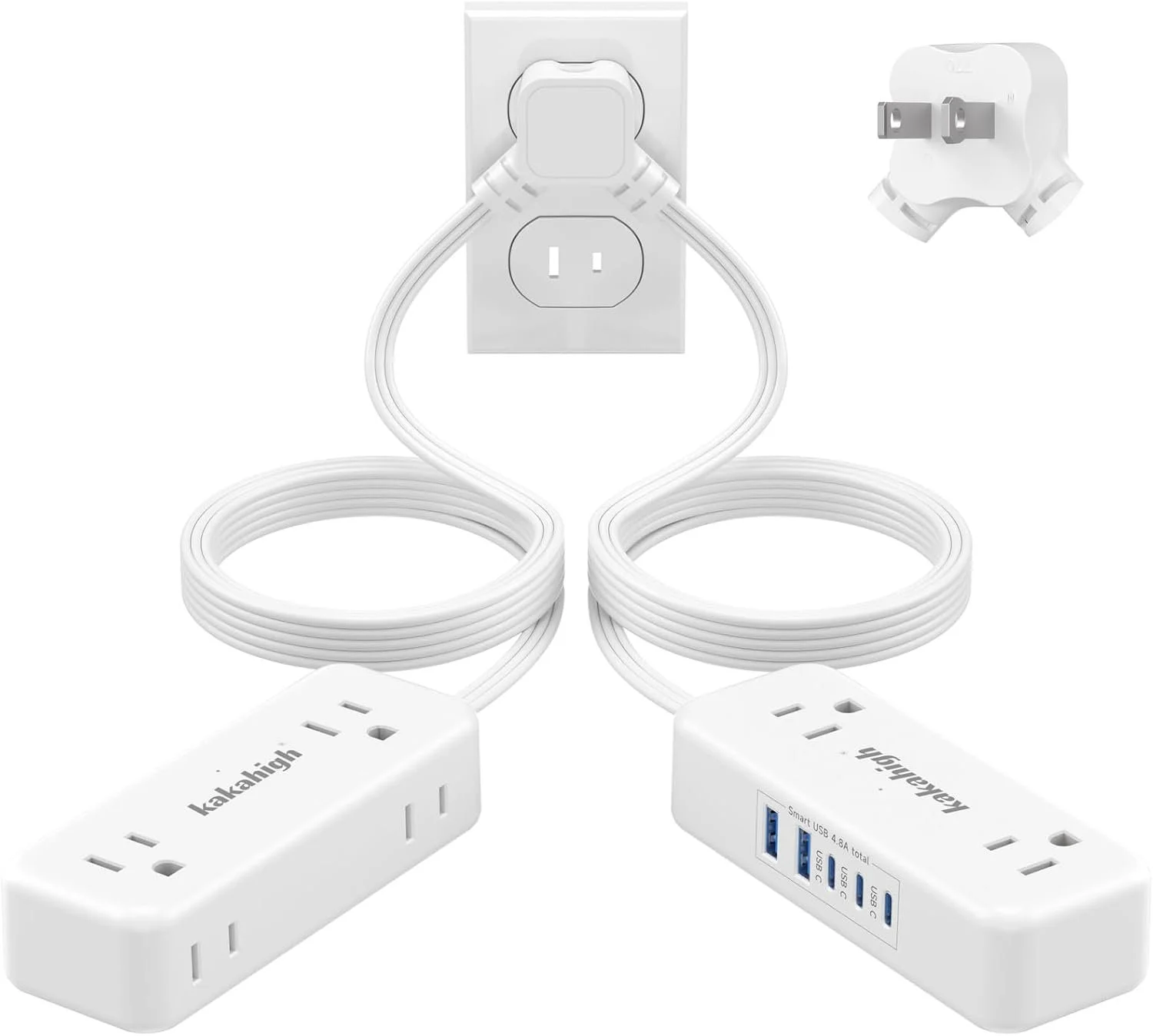





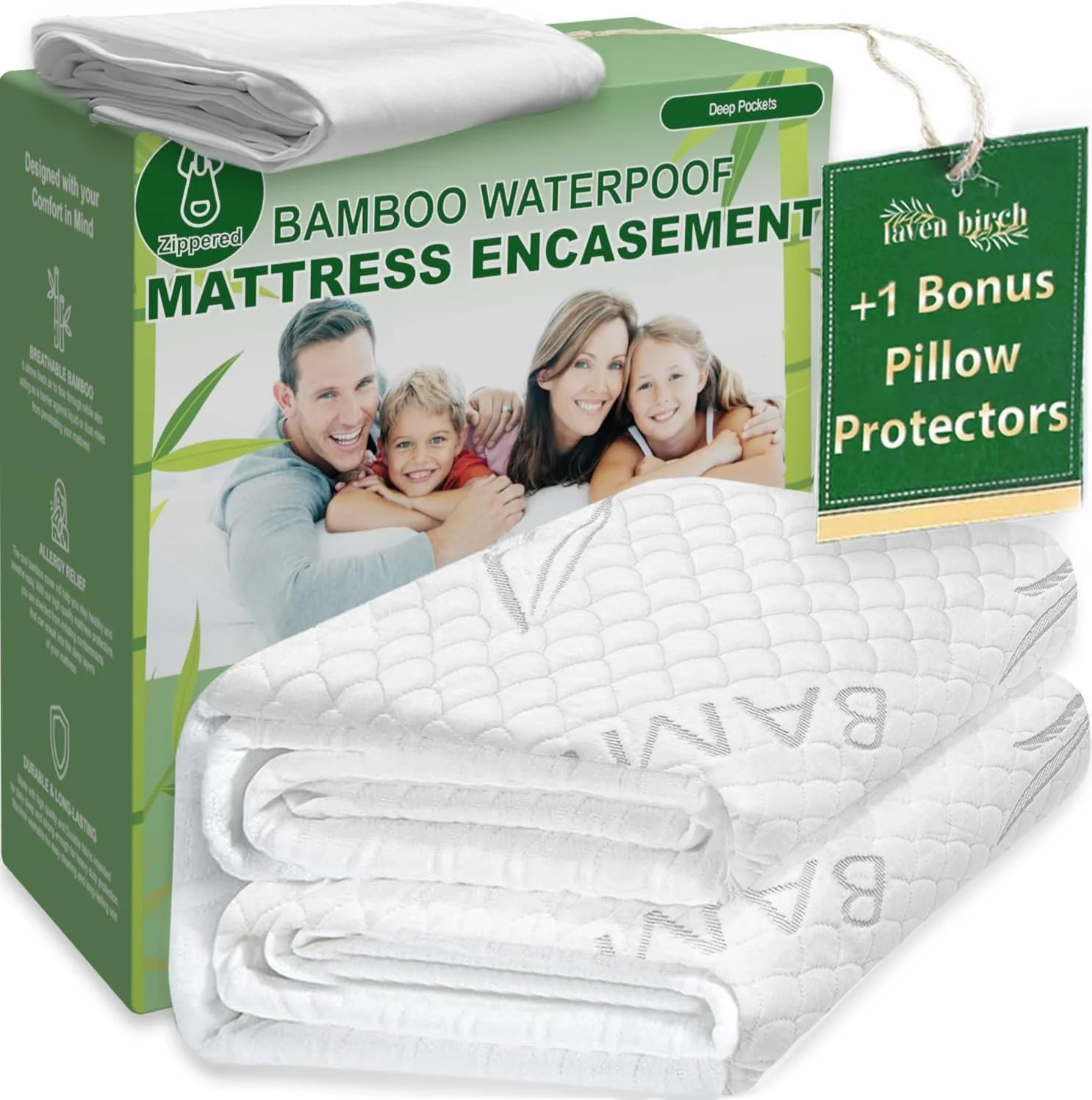

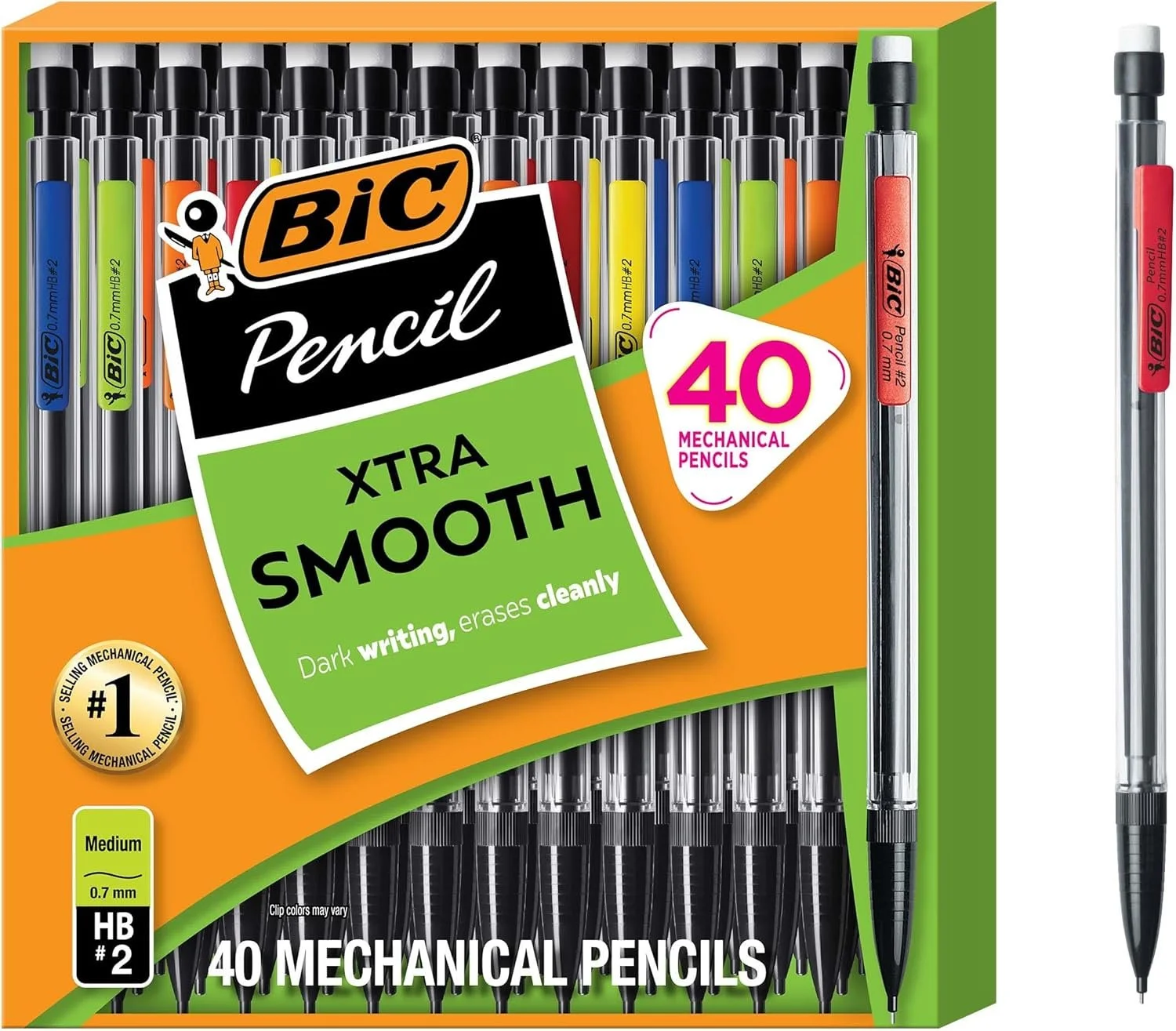

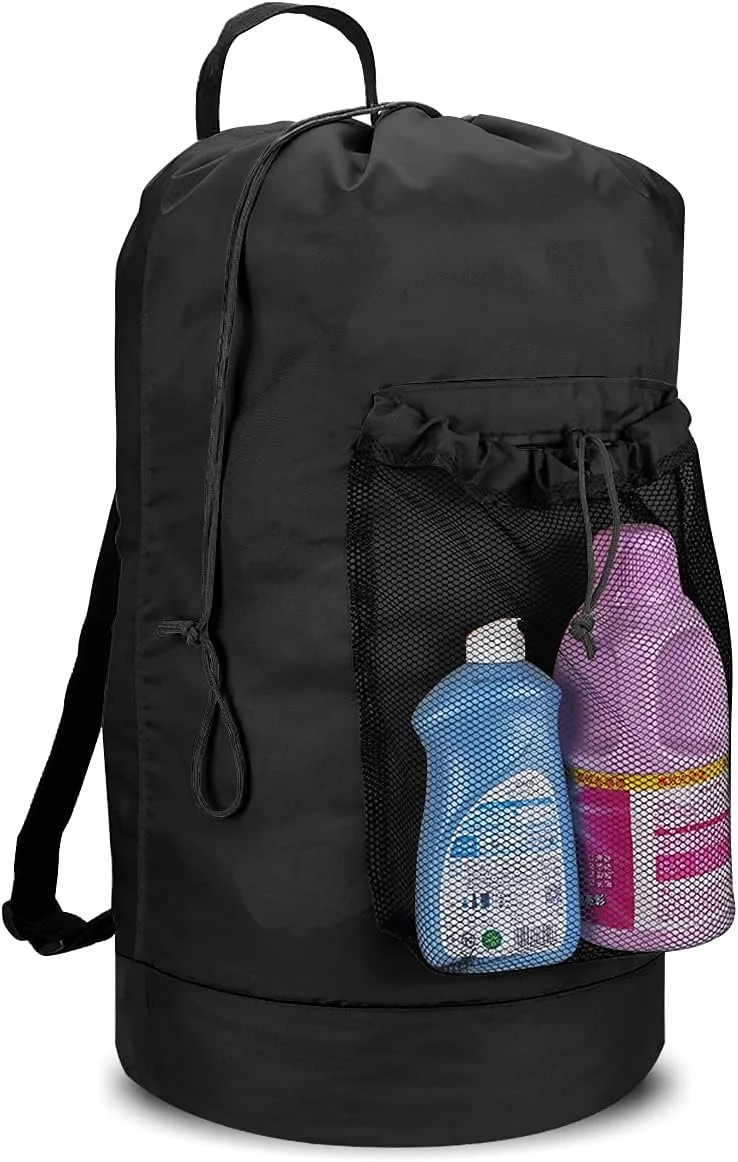

What’s Still On Our List:
Fan
Bed Risers
Bedside table or tray/bag (depending on room size)
Storage drawers + bins
What Isn’t On the Lists (Some Real Essentials)
College students who have to get around campus on foot are much more likely to be caught out in inclement weather. Make sure they have a good raincoat, boots, winter gear, comfy sneakers or walking shoes, or whatever they’ll need for their college climate.
College students can also be more likely to try things they might not have at home. I have seen tips for items from an Uber gift card, drink testing kids, and pepper spray, to Narcan, condoms, and the morning-after pill. While these are very personal decisions between you and your student, consider what they may be doing and have access to at college, and preparing them for emergencies.
The Skills They’ll Use Long After Freshman Year
This is likely the first time your child will really be taking responsibility for themselves away from home. Talk to your new college student about how they’re going to manage their newfound freedom and encourage them to find a way to manage their time efficiently.
Create Routines Before Classes Begin
College schedules are a far cry from the consistent routine of K-12. The gaps and inconsistencies in their schedules can make it difficult for a student to stay focused on the education part of college. Have conversations with them before they move in about how they’ll manage priorities and responsibilities versus extracurriculars and social time. Remind them that keeping their spaces neat and organized will allow for more time for learning and the fun stuff.
Planning and Time Management
Even though so much of what they do at college and most of their communication with the school will be digital, encourage your first-year student to start with a paper planner. This will allow them to easily track their to-do's and schedule and work on building time management skills.
Also, encourage them to keep their inboxes to a minimum so they don't miss any important communication from the school or professors.
Give Everyday Items a Home
As you help your student set up their room, make sure they have designated spaces for daily items: a place to drop their backpack and shoes so they don’t end up in the middle of the floor, a place to dry their towels and shower caddies, a charging station for their phone and laptop.
As parents, we spend years teaching our children how to navigate the world. Sending them to college is one of our biggest milestones. While we can’t prepare them for every challenge, we can help them create a space that feels calm, functional, and supportive from day one.
Getting your child ready for college is so much more than prepping for dorm living. It’s about preparing them for their first real step into adulthood and teaching them to build the habits and skills that they’ll carry long after graduation. We can’t guarantee a successful freshman year, but we can make their everyday life a little easier. And sometimes, that’s exactly what they need while they’re learning how to build a life on their own.
If you need help editing what to bring, creating an organized packing plan, or designing storage solutions that work in a tiny space, I'm here to make the process feel a little less overwhelming.
Disclosure: As an Amazon Associate, I earn from qualifying purchases. This means I may receive a small commission if you purchase something through one of my Amazon links, at no additional cost to you.